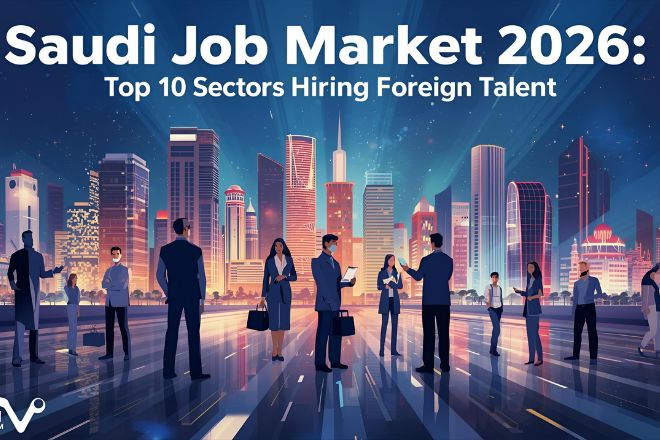
By 2026, Saudi Arabia’s Vision 2030 stands at its halfway mark — a moment to measure not just progress, but purpose. The plan that began as a roadmap to diversify the economy has evolved into a social, cultural, and digital transformation reshaping every industry from energy to entertainment.
Table of Contents
Toggle2026: A Turning Year for Vision 2030
Vision 2030 was never a quick sprint. It’s a long-term national shift aiming to reduce dependence on oil and create a sustainable, innovation-driven economy. The milestones of 2026 show real results: record tourism arrivals, a growing non-oil GDP, and global partnerships across technology, renewable energy, and finance.
“We’ve moved from building frameworks to delivering outcomes,” said an economist during the Riyadh Future Forum 2026.
Key Achievements So Far
- Tourism: Over 40 million international visitors in 2025, on track for 70 million by 2030, fueled by mega-projects like AlUla and the Red Sea.
- Private Sector Growth: Non-oil industries now contribute more than 60% of GDP, supported by entrepreneurship programs and foreign investment.
- Employment: Female workforce participation exceeds 36%, while expat hiring has expanded in high-skill sectors featured in Saudi Job Market 2026.
- Renewable Energy: Solar and hydrogen projects in NEOM are now exporting clean energy to neighboring regions.
Business Sectors Driving the Next Phase
1. Energy Diversification
Oil remains vital, but the focus has shifted toward green energy. NEOM’s hydrogen plants and the Public Investment Fund’s clean-tech ventures mark the Kingdom’s intent to lead the global renewable race.
2. Technology and AI
Artificial intelligence continues to anchor transformation. Riyadh’s AI districts and data centers support fintech, logistics, and urban planning. The same wave is nurturing startups highlighted in Saudi Investors.
3. Tourism and Hospitality
With sustainable tourism models like Saudi Eco-Tourism 2026, the Kingdom is redefining hospitality — balancing luxury with environmental care.
4. Logistics and Manufacturing
New industrial cities and trade corridors place Saudi Arabia at the center of regional shipping. The goal: become a global logistics hub linking Asia, Europe, and Africa by 2030.
5. Finance and Investment
The Tadawul exchange’s global listing reforms attract record foreign inflows. Venture capital funding for tech, healthcare, and real estate is at an all-time high.
Human Capital and Education
Vision 2030 isn’t only about money — it’s about people. Education reforms emphasize critical thinking, digital skills, and entrepreneurship. The Saudi Human Capability Program now links universities with private-sector training pipelines, empowering the next generation of leaders.
Women and Youth Leading Change
Young Saudis and women entrepreneurs are driving innovation across startups, retail, and media. Initiatives in Riyadh and Jeddah offer funding, mentorship, and global exposure. This generational energy reflects the social transformation core to Vision 2030.
“It’s no longer just about diversification,” says business analyst Noura Khalid. “It’s about reinvention — how Saudis see work, value, and community.”
Global Partnerships Expanding Saudi Reach
Strategic alliances with Asia, Europe, and the U.S. are accelerating technology transfers and clean-energy investments. Trade missions and cultural exchanges highlight Saudi Arabia’s soft-power approach — growth built on collaboration rather than competition.
Challenges That Remain
While progress is strong, challenges persist. SMEs need easier access to financing, and workforce localization must balance global hiring. Climate resilience and infrastructure scalability will remain key tests in the next phase.
Outlook Toward 2030
As 2026 closes, the Vision 2030 roadmap enters its execution-heavy years. The focus now shifts from planning to measurable outcomes — profitable green energy exports, thriving creative industries, and globally competitive cities. Saudi Arabia’s business horizon looks clearer than ever — ambitious, data-driven, and human-centered.
Frequently Asked Questions
What is Vision 2030?
It’s Saudi Arabia’s long-term national plan to diversify the economy, empower citizens, and build a sustainable future beyond oil.
What are the main Vision 2030 goals achieved by 2026?
Strong private-sector growth, renewable energy expansion, increased tourism, and higher female employment are key achievements.
How will Vision 2030 impact foreign investors?
It opens new investment zones, tax incentives, and partnerships across renewable energy, real estate, and technology sectors.