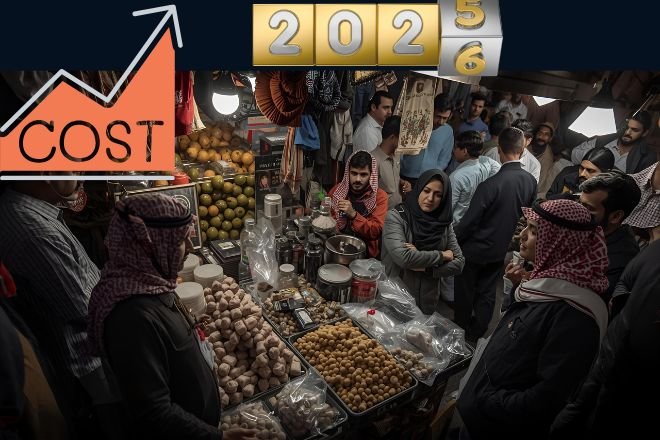
Riyadh mornings begin with strong coffee and cautious budgeting. Jeddah evenings close with delivery apps, mall lights, and quiet math—what’s left after rent, fuel, and a small indulgence. The cost of living in Saudi Arabia’s major cities has changed rapidly, but not in the same direction. Some bills grew heavier; others, surprisingly lighter. The main argument: life in Saudi Arabia’s major cities demands active adaptation, as Saudis adjust their spending to keep up with shifting costs. Here’s what life really costs in 2026, and how Saudis are adapting their wallets to match the rhythm of their cities.
Everyday Math: Rent, Food, and Movement
Housing still takes the biggest bite, but adaptation is key. In central Riyadh, a one-bedroom apartment averages around SAR 3,800–4,500 a month; in Jeddah, slightly less. Utilities and internet add another SAR 600–900. More families now adapt by moving to suburban edges, trading ten extra minutes on the road for a third less rent.
Transport adapts to new realities. Fuel remains affordable, but car insurance and maintenance creep higher. Metro use and ride-hailing apps are growing among younger workers, who use them to save time and avoid parking stress. In Jeddah–Makkah commutes, people plan errands around train schedules, adapting their daily routines to changes in urban mobility.
The Grocery Baseline
Food costs are managed through adaptation. Local vegetables, dates, and poultry stay stable, but imported snacks and specialty coffee have doubled since 2022. Most households adapt by mixing domestic staples with small treats on weekends. Subscription grocery apps help track spending, allowing families to adjust and replace guesswork with weekly summaries.
The Digital Lifestyle Tab
Digital subscriptions become budget priorities as households adapt. A typical household pays SAR 400–600 monthly for digital life—Netflix, Shahid, Spotify, and game passes. Add phone data, and it crosses SAR 1,000. People now view these services as necessary conveniences, adapting their spending to fit evolving digital habits.
For reference, our earlier post on Shopping in Saudi Arabia explores how online and offline habits now blend completely—digital carts filling alongside weekend strolls.
Eating Out, the New Social Standard
Dining out adapts to the new social standard. In both cities, a shawarma meal costs SAR 15–25, café lunch SAR 50–70, and mid-range dinners from SAR 120 upward. Brunch culture keeps booming in Jeddah; Riyadh adapts with concept cafés where meetings double as meals. People talk business over flat whites now, not just in boardrooms. Cafés have become mini coworking spaces as social and work life blend, reflecting new ways residents adapt to lifestyle changes.
Leisure and Family Life
Weekend budgets reflect adaptation, stretching across malls, beaches, and digital leisure. Family trips to Red Sea resorts, concerts, or gaming lounges average SAR 300–800, depending on activity. Public events and free festivals, supported under Vision 2030, help families adapt by planning two paid weekends a month, two relaxed ones at parks or Corniche walks.
Utilities and the Hidden Costs of Comfort
Electricity bills climb in long summers—SAR 350–600 for average apartments. Residents adapt by adopting smart thermostats and solar add-ons to manage consumption. These devices show the broader energy-conscious adaptation in Saudi Smart Cities, where data helps optimize comfort and costs.
Personal Expenses: From Grooming to Gadgets
Beauty and self-care priorities endure, but monthly routines adapt. Haircuts, salons, and modest fashion updates range from SAR 100–400 monthly. Electronics remain the biggest adaptive investment—phones and laptops define upgrade cycles, as brands launch around salary weeks to meet shifting consumer adaptation.
Income Reality Check
Entry-level salaries in the private sector average SAR 6,000–8,000; mid-level professionals earn SAR 12,000–20,000. Dual-income households adapt for comfort; single earners juggle priorities. Side projects and freelance work—outlined in Saudi Youth 2025—are adaptive responses that bridge the gap and build savings buffers.
How Saudis Adjust Their Budgets
- Switching from luxury gyms to public fitness zones.
- Using grocery reward points as small savings accounts.
- Buy home coffee setups to avoid daily café expenses.
- Pooling subscriptions within families to cut digital clutter.
Across interviews, one phrase repeats: “Less waste, same comfort.” It captures the adaptive national mood—mindful spending, not restriction.
Public Transport and City Mobility
Riyadh’s metro rollout prompted adaptive commuting habits. Monthly passes cost less than a week’s worth of fuel, drawing younger riders and reducing downtown traffic. In Jeddah, bus routes and shared rides now link residential districts with malls and offices, reinforcing planned, adaptive movement over rushed routines.
Education and Childcare Costs
Private schooling remains the second-biggest household expense, prompting adaptive educational choices. Tuition runs SAR 20,000–45,000 annually per child at mid-tier schools, with higher rates for international programs. Digital learning supplements influenced by AI Education have become popular adaptive investments in bridging gaps in English, coding, and design.
Healthcare Spending
Insurance covers the basics for most employees, but additional care requires adaptation. Dental, vision, and wellness add-ons raise costs. Fitness watches and telemedicine are adaptive tools merging prevention with comfort, raising expectations through technology.
Big City vs. Smaller Towns
Riyadh and Jeddah remain pricier than Madinah, Taif, or Abha, so adaptation is common. Job density and entertainment options offset costs. Families adapt by keeping one foot in each world: working in the city and spending weekends outside it to balance costs.
Looking Ahead to 2027
Forecasts suggest steady inflation around 2–3%, balanced by rising wages and digital competition. The next adaptation frontier is data—AI subscriptions, cloud backups, and virtual utilities that quietly join the budget line. Living well in Saudi Arabia now means adapting to manage both physical and digital expenses with equal care.
Frequently Asked Questions
Is life in Riyadh more expensive than in Jeddah?
Yes, slightly. Rent and commuting costs are higher in Riyadh, while groceries and dining are similar across both cities.
How much monthly income is required for a comfortable life?
For a single person, SAR 8,000–10,000 provides comfort. Families of four often target SAR 18,000–25,000, depending on schooling and lifestyle.
Are prices rising faster than salaries?
Not overall. Inflation has slowed, and wages in digital and skilled roles keep pace. Smart budgeting now matters more than raw salary growth.