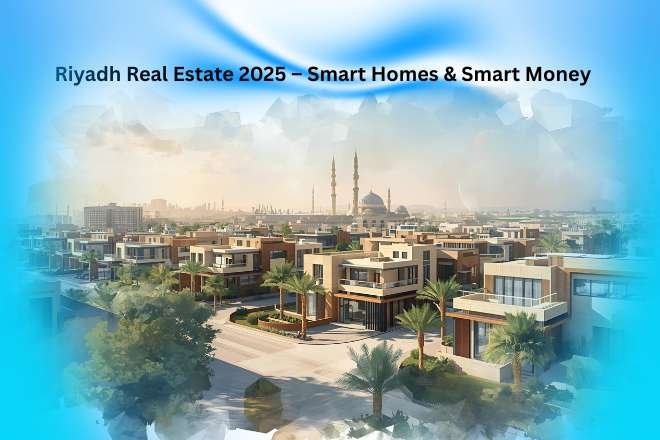
North of King Salman Road the sound is cranes, not horns. In Al Malqa a sales agent walks me through a three-bed unit where the first thing buyers ask isn’t the view—it’s the app. “Show me the energy screen,” one father says, tapping his phone. When the graph drops after sunset, he smiles. This is Riyadh’s 2025 boom: homes that prove their value in numbers, not brochures.
Table of Contents
ToggleWhat Changed the Market’s Mood
Three nudges, all at once. New stock in fast-growing districts. Cheaper solar hardware and better insulation rules. And mortgages that reward efficiency instead of only location. The result: properties that feel like devices—updated by software, monitored by dashboards, paid off by lower bills.
Show, Don’t Tell: A Morning in Hittin
At 7:40 a.m. a contractor unlocks a villa near Prince Turki Al Awwal Road. The foyer is quiet until the AC wakes. Not a blast—just a soft ramp up. The HVAC talks to occupancy sensors; rooms cool only when someone enters. A leak sensor pings the owner’s phone when the garden line hiccups. None of this is flashy. It’s maintenance without surprises, which is what families really buy.
Smart Money, Not Just Smart Homes
Banks now price risk with data from the home itself: energy baselines, outage history, even filter-change logs. The same mindset already reshaped finance (see AI and Finance in Saudi Arabia). For lenders, connected homes reduce guesswork. For owners, that can mean a better rate if the house proves it’s efficient.
Business Intelligence Comes to the Building Site
Developers track which floor plans keep noon temperatures down and which window specs pay back in under five summers. A project manager in Diriyah shows me a weekly report: not sales charts—heat maps of hot rooms, water spikes after Friday watering, elevator idle time. Those findings decide the next phase. That’s a construction team acting like product managers.
Policy + Hardware = Momentum
New codes push insulation and smart-meter readiness. Suppliers finally stock parts residents can install without a degree. The gap between “eco” and “affordable” narrows. When buyers can see SAR saved per month on a phone screen, sustainability stops sounding like a lecture and starts looking like cash flow.
Rule of thumb buyers use: if a feature trims 15–25% off cooling or prevents one major leak, it pays for itself before your second Eid in the house.
Inside the Apartment: Little Things That Matter
- Room-level thermostats that learn prayer-time routines and quiet down when the home is empty.
- Glass that blocks heat without turning rooms gray.
- Sub-meters per unit, so roommates stop arguing about AC.
- Battery-ready rooftops: wire now, add storage later.
It’s ordinary comfort, made measurable.
Neighborhoods With a Head Start
KAFD’s towers set expectations for automation; Hittin and Al Aqiq follow with mid-rise smart stock; pockets near King Salman Park learn fast because weekend foot traffic demands better shading and cooling. In each area the same pattern shows up: once one building proves the energy math, the rest adjust plans or watch buyers move on.
Data Privacy—The Quiet Buyer Question
Smart meters mean logs. Who sees them? Reputable builders keep data local and give owners a “hard off” switch for cloud sharing. If a sales office dodges that question, buyers walk. People want convenience without creepiness.
Costs, Plainly
Yes, connected homes cost more upfront—extra sensors, better glass, proper ducting. But cooling is the big bill in Riyadh. Trim that by a quarter, and the difference shows up every month. Maintenance shrinks too: a leak alert at 3 a.m. is cheaper than replacing a swollen floor two weeks later.
Investors Read Listings Differently
Yield hunters used to skim price per square meter. Now they ask for two screenshots: last summer’s kWh curve and the water anomaly log. Units with clean charts rent first. Insurers notice as well—some already shave premiums for properties with shut-off valves and smoke sensors tied to real alerts.
Linking the Home to the City
These houses plug into a larger story. Riyadh’s grid gets smarter; waste pickup pings on demand; bus routes shift with actual use. The city piece is explored here: Saudi Smart Cities. The point: your home is no longer an island. It’s a node.
Where Startups Fit
Local founders build the glue—dashboards, leak AI, Arabic voice control. Several came out of university labs and NEOM pilots (see Saudi AI Startups 2025). They aren’t chasing novelty. They’re replacing the “call the guy” moment with “tap to fix.”
Obstacles No One Should Hide
- Installer skill: good gear installed badly wastes money.
- Cheapo gadgets: pretty apps, poor sensors—avoid bundles without specs.
- Retrofit pain: old ductwork makes smart HVAC look dumb; plan upgrades in stages.
Field Notes From Three Buyers
Fatimah, teacher, Al Aqiq: “I checked bills from August 2023 vs 2025. Same family, smaller number. That’s all I needed.”
Yasir, nurse, Hittin: “We had one leak. Phone buzzed at 4:12 a.m. I closed the valve from bed. We laughed the next day.”
Rakan, investor, Qurtubah: “My best renter asked about sub-metering before the kitchen. Different market now.”
2026 Outlook, Without Hype
Expect more “green mortgage” products, smarter shading on west-facing walls, and battery pilots in villa clusters. Prices won’t fall because the city is growing, but the value gap between connected and “plain” homes will widen. Buyers will accept smaller spaces if the operating costs stay friendly.
Bottom line for families: pick the house that wastes the least.
Frequently Asked Questions
Are smart homes harder to maintain?
No. They’re easier to manage if installed well. Filters, leaks, and usage spikes show up in the app. The work shifts from emergency calls to quick taps.
Do connected features really affect mortgage or insurance?
Increasingly, yes. Lenders and insurers price proven efficiency and risk reduction. Screenshots of usage and alerts help your case.
What’s the simplest upgrade with the biggest payoff?
Proper sealing and smart thermostats. Fancy gadgets can wait; keep the cool air inside first.